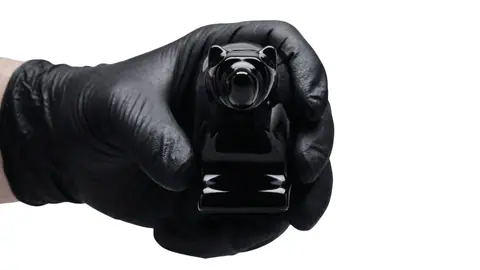
Matte looks controlled
Matte finishes diffuse reflections and place more visual emphasis on silhouette, color, and form. They can make a surface feel calm and deliberate, but they do not remove poor preparation; uneven texture and inconsistent sheen can still remain visible under directional light.
Gloss looks premium when the prep is clean
Gloss can create depth and a strong product presence because reflections move across the object. The same reflections expose scratches, ridges, waviness, and haze. A glossy finish therefore demands a surface that stays coherent as the viewing angle changes.
Photography changes the decision
Photography is part of the finish decision. Matte surfaces generally produce simpler highlight control, while gloss can create a stronger visual result when reflections are intentional. Evaluate the object under the type of light used for listings, portfolios, or displays before choosing.
Use case matters
Handling, cleaning, wear, display distance, and maintenance expectations all matter. A finish should support the object's real use as well as its appearance. Product compatibility and durability claims must come from the coating manufacturer, not from sheen alone.
Simple decision rule
- Choose matte when controlled diffusion supports the form and use.
- Choose gloss when reflection quality is part of the design intent.
- Consider satin when the object needs visible depth without dominant reflections.
- Validate every choice under realistic light and handling conditions.
Bottom line
Matte and gloss are design decisions, not quality rankings. Better surface preparation creates more freedom, while the intended light, use, and maintenance determine which finish is right. THE FORMULA teaches the sanding and polishing sequence toward a refined, high-gloss surface; a lower sheen after that is a coating and use choice, not a separate Formula path.