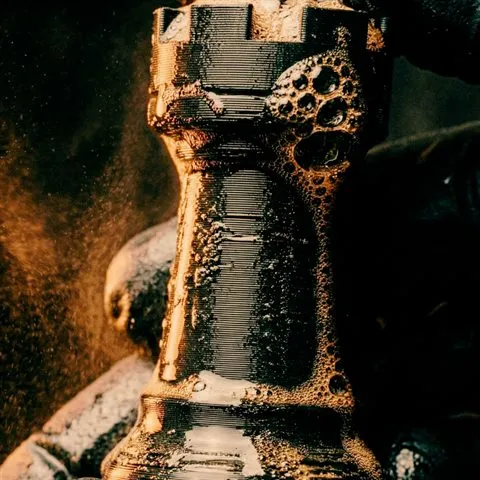
What filler primer actually does
Filler primer can make small surface inconsistencies easier to read and can support a more uniform base for later coatings. Its value comes from diagnosis: the primer shows where the surface is level, where defects remain, and whether the preparation has been consistent. It cannot replace the work needed to correct a visibly uneven print.
When to prime and when not to
Primer belongs after the major surface problems have been addressed. If strong side light still reveals pronounced ridges or damaged geometry, adding material on top will preserve those problems rather than solve them. The decision to prime should be based on what the surface shows, not on a fixed timetable.
Is the surface ready for primer?
Readiness is an observation, not a recipe. The large form errors should already be controlled. Directional light should still show low spots rather than hiding them. The part should be clean and dry. The product label's cure and safety instructions govern the coat. Primer reveals remaining defects; it does not replace correcting a visibly uneven print. A product ranking is not what this page provides.
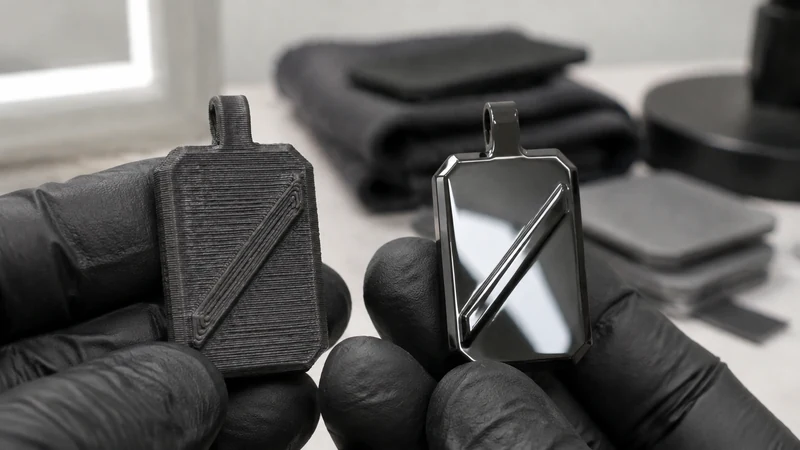
How to apply primer on a 3D print
Follow the coating manufacturer's instructions for preparation, application, ventilation, and curing. Aim for controlled, even coverage that preserves edges and detail. Before continuing, confirm that the material has cured as directed and inspect the surface under directional light for uneven build, exposed defects, or loss of definition.
Refine between coats by what you see
Refinement between primer applications should be guided by the visible surface. High areas, low areas, and inconsistent texture create different signals under side light. Continue only while each pass improves uniformity; stop and reassess if detail begins to soften or the coating starts to build texture instead of resolving it.
Choosing a primer for 3D prints
Choose a primer by compatibility, sandability, intended topcoat, and the manufacturer's safety guidance — not by a ranked shortlist. Filament blends and coatings vary, so a product that behaves well on one print may not behave the same on another. Test the complete coating combination on a spare print before committing to the finished part. This page does not name or rank commercial primer products.
Common mistakes with primer on 3D prints
- Priming before the layer lines are reduced — primer reveals problems, it does not fix them.
- Using heavier coverage to hide defects that should be corrected before coating.
- Continuing without inspecting how the primer changed the surface.
- Ignoring the product's compatibility, cure, or safety requirements.
Bottom line
Filler primer works as part of a controlled finishing system. Prepare the geometry, use primer as a diagnostic layer, and let the visible result determine the next decision. PolishMaster treats a paint-ready surface as a quality standard, not a coat count or a product ranking.