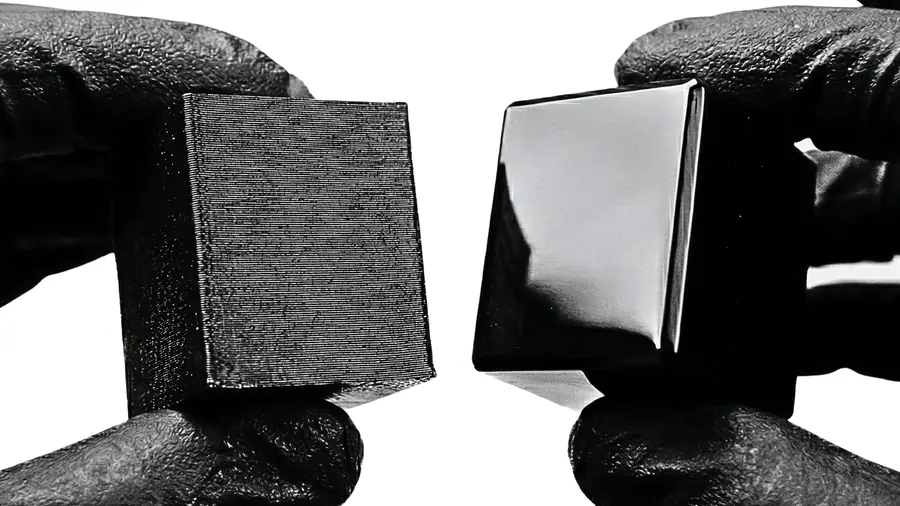
Smoothing is a sequence, not a single technique
Each surface operation should solve one class of problem and leave a clear condition for the next. Correction addresses form and raised defects; refinement creates consistency; coatings support the intended color and sheen. When those jobs are mixed together, defects are covered rather than resolved.
Stage one: mechanical smoothing through sanding
Mechanical smoothing should match the defect and the geometry. Raised texture, broad faces, curves, recesses, and sharp transitions all need different support and pressure decisions. Use directional light to confirm that the target defect is changing without flattening detail or introducing a new pattern.
The same side-light check decides the handoff: the defect under correction should no longer dominate the view, and intentional edges should still read clearly.
Material behavior also matters. PLA and PETG respond differently to friction, heat, and coatings, and filament blends can vary within the same label. Manage heat, test unfamiliar combinations on a spare print, and let the observed response guide the path.
Stage two: filler primer to fill the gaps sanding leaves
Abrasives remove material; filler primer can reveal and support the refinement of smaller surface inconsistencies. It should be introduced only after the main geometry is controlled. Follow the product instructions, allow the required cure, and use the resulting surface as evidence for the next decision.
Stage three: choosing your final surface
The finish target changes the preparation standard. A high-gloss surface needs a more coherent preparation than a later coated sheen, and handled parts have different needs from display pieces. Decide the intended visual and functional result before the final refinement so the surface is prepared for that outcome.
Optional: polishing after clear coat
Polishing is relevant when reflection quality is part of the design, but it cannot repair poor preparation beneath a coating. Product compatibility, full curing, surface cleanliness, and a controlled test area matter more than adding another product to the process.
Is the surface ready for the next stage?
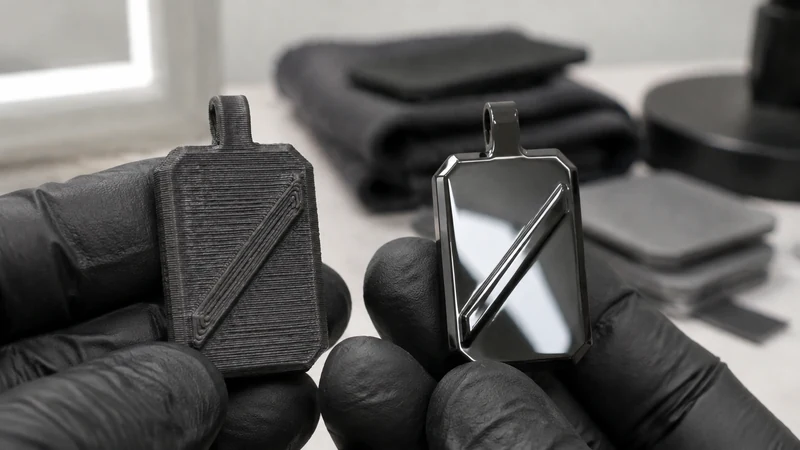
Progress is judged under side light. Ask whether the defect being corrected is still the first thing visible, whether the new texture is even across the worked area, and whether intentional edges and raised features still hold their shape.
If a new scratch, haze, or rounded edge has become the larger problem, the surface is not ready—solve that first. A glossy photo is not itself proof the part is ready to coat; the handoff depends on what the surface shows under revealing light.
What most people skip
- Inspecting under side light at each stage — problems hidden under overhead light become obvious in photos.
- Fully curing primer before sanding or painting over it.
- Choosing refinement stages by habit instead of reading the material and finish target.
- A protective clear coat on the finished paint — without it, the color scratches easily during handling and shipping.
Bottom line
Making a 3D print smooth is a decision system, not a single technique. Control form, verify consistency, match the preparation to the intended finish, and protect the geometry throughout. The Formula contains the specific material paths behind this overview.