Which tool shape fits this surface?
The abrasive does the cutting. The backing decides where force concentrates. Match the category to the surface in front of the tool:
- A firm block or hard backing keeps pressure even across broad flat faces so high spots come down without turning the plane into a dish.
- A flexible sponge or soft backing follows curves so the abrasive can stay in contact without flattening intentional radius.
- A hand-held sheet belongs where a rigid backing cannot enter, or where an unsupported finger would dig a trench into a recess, fillet, or edge.
- A powered rotary tool is a high-risk option: it can erase detail quickly and add heat that softens plastic instead of cutting it cleanly.
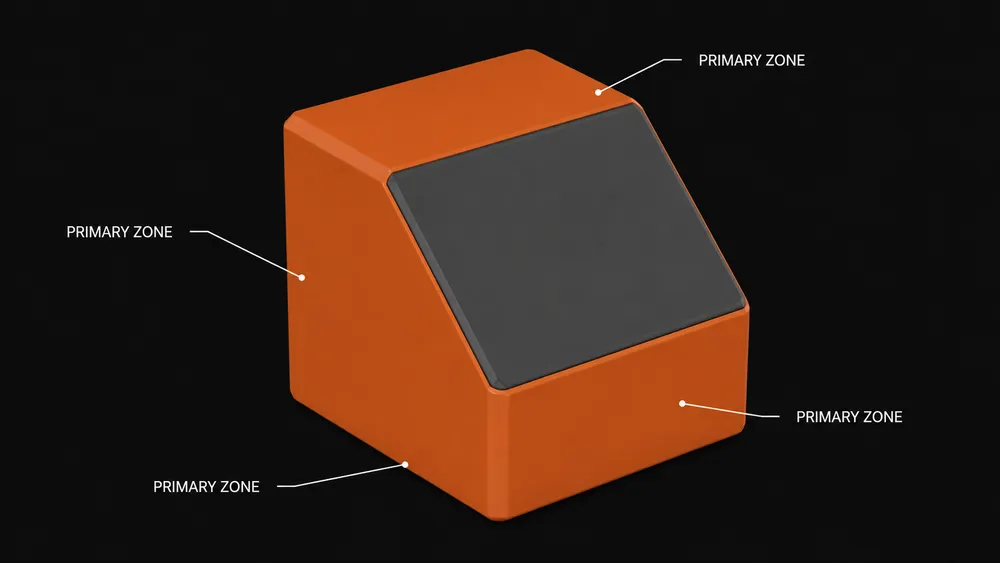
Geometry leads. Flat primary zones call for firm support; rounded volumes call for compliance; tight features call for a sheet that does not force pressure through the fingertip alone. A rotary accessory is not a default upgrade—it is a risk decision.
Support and pressure, not a shopping list
The useful question is how the tool supports the abrasive against this geometry—not which brand to buy. Hard support protects planes. Soft support protects curves. A sheet protects places where backing would dig. Power stays optional and high risk.
For the wider sanding path, see How to Sand 3D Prints.
For how stages hand off without turning abrasives into a shopping list, see How to Choose Sanding Stages for 3D Prints.
Bottom line
Tool choice is a support-and-pressure decision matched to geometry. Keep flats planar, keep curves readable, protect detail where fingers would dig in, and treat powered rotary work as high risk. PolishMaster connects those categories to a visible surface standard rather than a product ranking.