What the surface is telling you
Overhead light hides diagnosis. Side light makes ridges, hollows, haze, and soft edges readable. Each defect class suggests a different next decision — not a single method that covers every case. This page names what to look for and what kind of choice follows. It does not prescribe grit numbers or a paid workflow sequence.
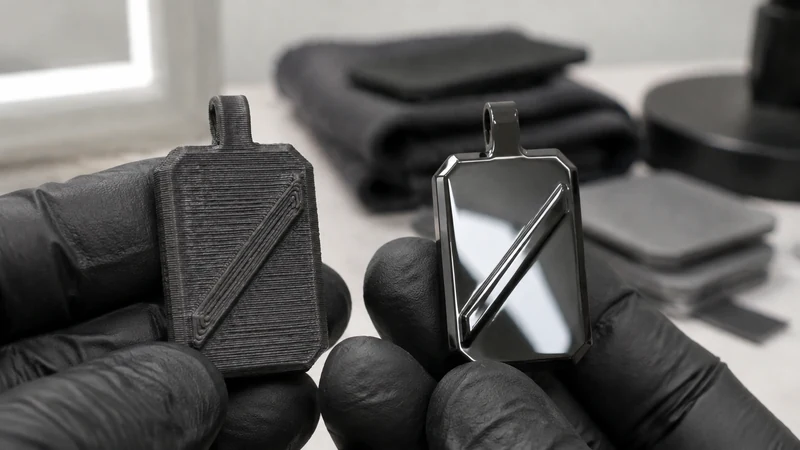
Layer lines: repeating ridges
Repeating horizontal ridges that catch light at regular intervals are layer lines. They are a form and texture problem on the printed surface. The next decision is whether those ridges still dominate the faces that will be judged — and whether mechanical correction is still the right class of work. For sanding-oriented diagnosis across materials, see How to Sand 3D Prints.
Smear or haze from heat
A smear or cloudy haze that appears where texture should cut cleanly often signals heat response. The surface looks glossy or dull in the wrong places, detail softens, and the scratch or layer pattern no longer reads as a clean cut. That signal asks for restraint and a change in approach — especially on materials that smear more easily under friction. PETG-specific heat and smear reading is covered in How to Sand PETG 3D Prints.
A rounded edge that used to be sharp
An intentional edge that has gone soft is a geometry loss signal. Further aggressive work on that area will usually advertise the rounding rather than restore the corner. The next decision is whether to protect remaining definition, stop the current approach, or accept that the edge standard has changed for this part.
A low spot side light still catches
A hollow that still shadows under directional light is a form inconsistency. Coating over it often preserves the dip as a visible flaw. The next decision is whether the low area must be corrected as form work, or whether a diagnostic coating layer is appropriate only after major form is already controlled — see When to Use Filler Primer on 3D Prints.
Dust or contamination before coating
Dust, oils, and residue mark a surface before color or clear coat can hide the cause. Specks, streaks, and fish-eyes after coating usually trace back to cleanliness that was skipped. The next decision is to clean and verify the surface before any coating stack is asked to succeed on a contaminated base.
What should you correct first?
Correct the defect that dominates the view and blocks every later stage. A useful order of attention — as diagnosis, not as a product recipe — is:
- Contamination that would ruin any coating.
- Heat smear or haze that means the current approach is damaging the surface.
- Rounded edges that will only worsen under more pressure.
- Repeating ridges and low spots that still define the form under side light.
- Only then consider whether a diagnostic or fill coat can help read remaining inconsistencies.
If two problems compete, solve the one that makes the next step unsafe or irreversible. A glossy photograph is not proof the surface is ready; readiness is what side light still shows.
Bottom line
Reading surface defects is the start of a finishing decision system. Name the signal, match the next choice to that class of problem, and refuse methods that ignore what the light already revealed. PolishMaster treats diagnosis as the standard that keeps preparation honest.