Start with the goal
Primer answers a question about paint, not about shine. Decide first whether the finished part will be painted or left as bare plastic, because the two routes ask for different things.
If you want a polished bare-plastic surface
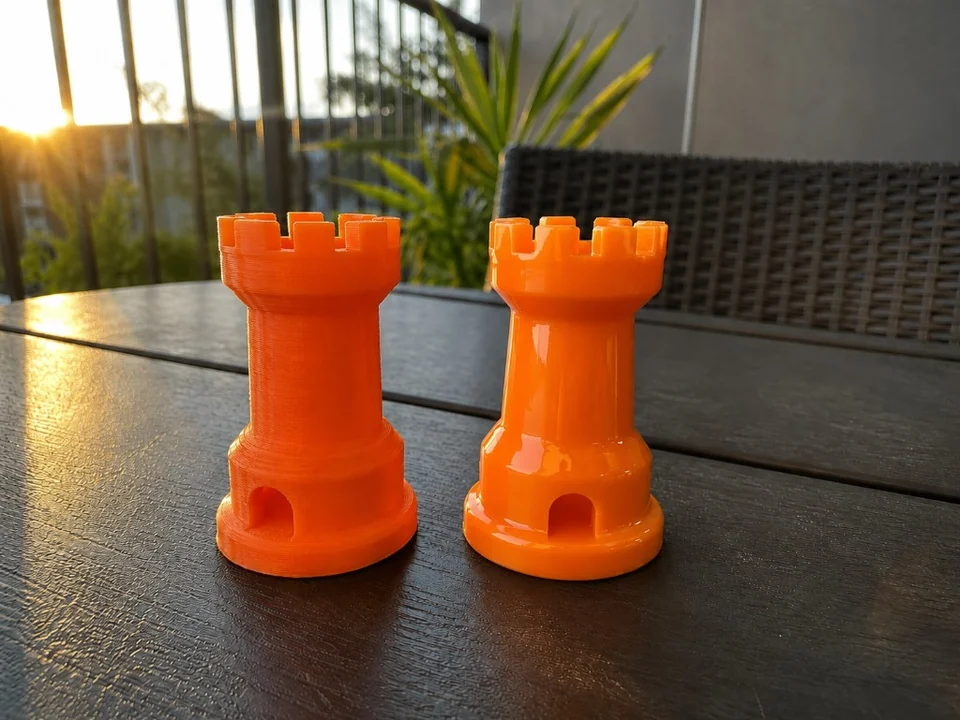
You do not prime. The surface is made by sanding in stages and polishing the plastic itself, so there is no coating to prepare and nothing to cover. THE FORMULA teaches that route, with no primer.
Putting primer on a part you mean to polish only adds a coating between you and the plastic you were going to polish.
If you want to paint
A compatible primer usually helps: it can give paint a more consistent base to hold on to. Follow the label, treat primer, paint and clear coat as one system, and test the whole stack on a spare print first.
Primer does not replace preparing the surface. Paint and primer both show layer lines and scratches that are still there underneath.
Where the Spray Paint Module fits
Painting is not part of THE FORMULA. The Spray Paint Module is a separate, optional add-on in the Student Portal for people who want to paint.
A quick way to decide
- Polished, bare plastic: no primer.
- Painted part: a compatible primer, as the label directs.
- Not sure yet: test on a spare print before committing the real part.
More on each route:
- Painting:How to Spray Paint 3D Prints
- Filler primer:When to Use Filler Primer on 3D Prints
- Choosing the sheen:Matte vs Glossy Finish for 3D Printed Products
- The bare-plastic route:How to Make 3D Prints Smooth
Bottom line
No primer for a polished bare-plastic surface. A compatible primer, used as the label directs, for paint. Pick the goal first, then the route.